Singapore
Meritocracy, pragmatism, honesty.
Singapore went from a third-world to a first-world country in record time, and insiders have revealed how a codified system helped them do it.


A workshop for leadership teams
Every team already has an operating system. It dictates how a team performs, collaborates and connects. For most teams it's unintentional, built up over years of bad habits, rituals and routines. Yours doesn't have to be.
01
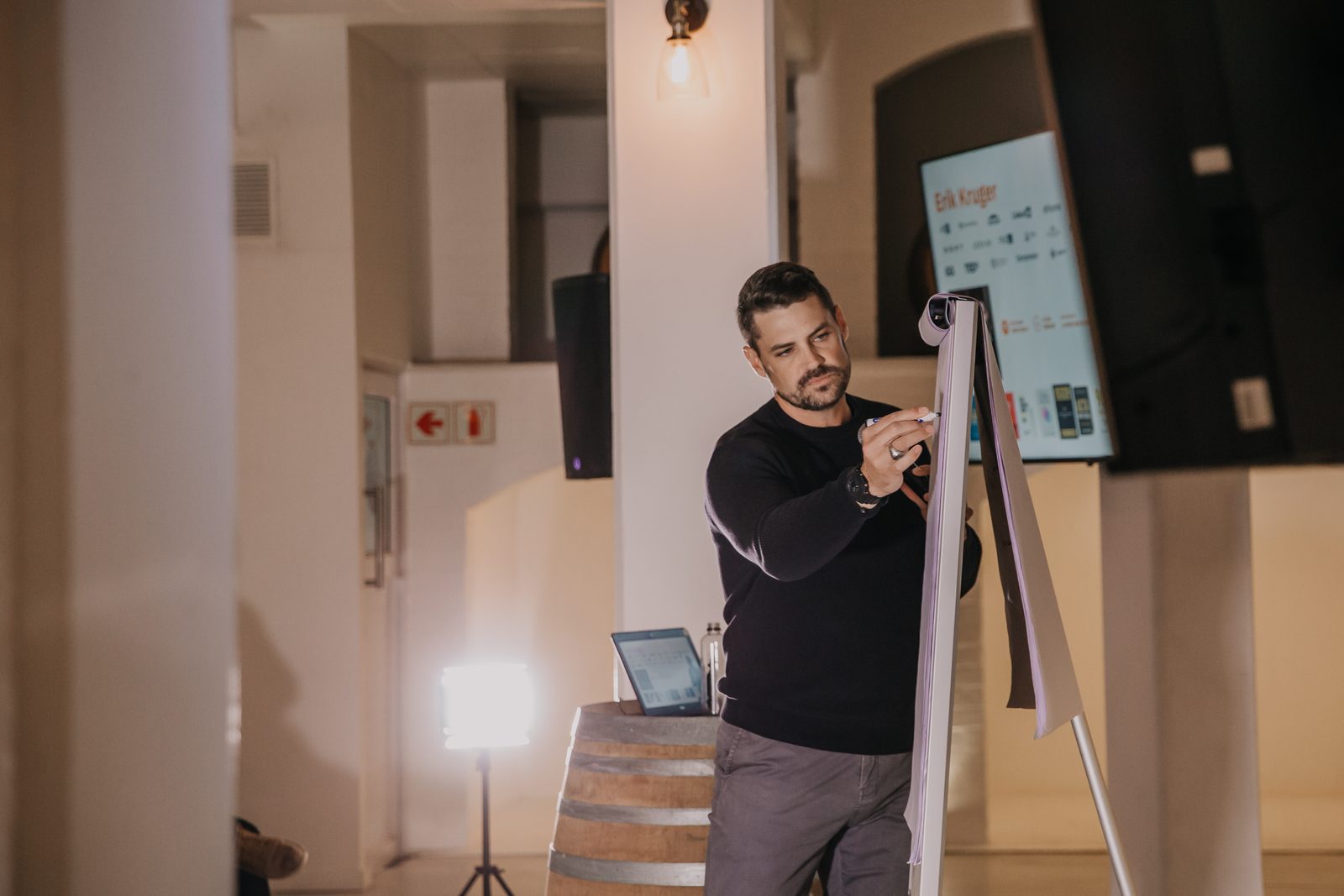
In all my years of working with teams, the workshop people ask me for most is one to design their Team Operating System. That's because it's so central to how a team functions. Once it's designed, it becomes your team's intellectual property. Not the kind that lives on a wall, but the kind that lives in how you behave and work with each other.
Building a high-performance team is complex, and there's a lot to pay attention to. Once you codify the few behaviours that matter most, it becomes easier for everyone to align around the same thing, and you can hold each other accountable. Done well, these behaviours pave the way to the team you want to be.
Every Team Operating System consists of three different aspects.
Environment. The conditions your team works in. How safe people feel to be vulnerable, and whether that gets rewarded. What gets rewarded or punished. What the leader models.
Behaviour. The patterns people can actually see, especially under pressure. The test is always "What does it look like?" because a behaviour is not an intention.
Language. The phrases and filters the team uses to name those behaviours. Specific, repeated and owned.
02
In studying great transformations, I've noticed that whether the change happens in a country or a team, the ones that do well have codified their behaviours or expectations to some degree.
Singapore
Singapore went from a third-world to a first-world country in record time, and insiders have revealed how a codified system helped them do it.
The All Blacks
This example shows the importance of owned language. When you're part of the All Blacks, you know exactly what 'sweep the sheds' means and the impact it has on the team: nobody is above the team.
Team GB rowing, Sydney 2000
The British Olympic rowing team was struggling in the build-up to the Olympics. Then the crew decided to run everything through one question: 'Will it make the boat go faster?' That specificity and alignment helped them make decisions and take action, and ultimately they won Olympic gold.
None of these are value statements on a wall. They're short, they're repeated, and the people living them own them. That's how it works in this workshop too. Your team co-creates the language, so it sounds like you and means something to you.
Change then spreads through everyday conversations. And people hold each other accountable to the model, not just to each other. If someone has a problem with a colleague, the question becomes "Have you talked to them first?"
03
What behavioural code does this team need to become the kind of team that can win in its next chapter?
We look honestly at the operating system you already have: the environment, the behaviours that show up under pressure and what's really being rewarded.
The team describes what it looks like at its best in the next chapter, in behaviours you could actually see on a normal working day.
Everyone puts forward as many behaviours as possible. Then we narrow them down, from something like 30 to the 3 that matter most, and give each one language that sounds like your team.
The team commits to the code together, so there's real buy-in rather than polite nodding. Then the support continues after the room, to help you recalibrate as people drift.
04
You don't change a team by changing the people. You change a team by codifying what makes it unbeatable.
05
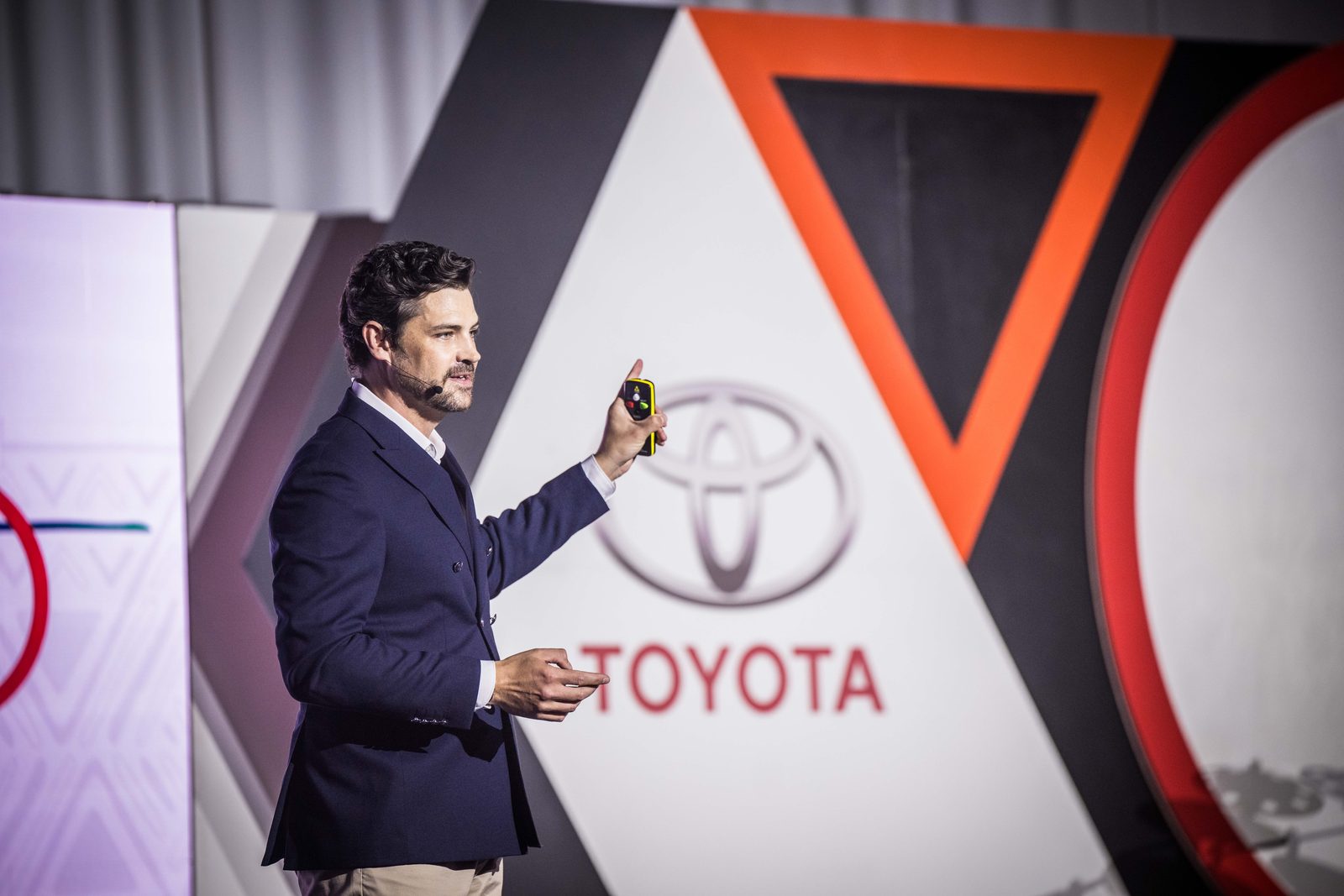
Erik Kruger is an international keynote speaker and executive coach, named in the Global Gurus Top 30 for Leadership in 2026, and the author of the bestselling Dangerous and Expansive. He's run this workshop with leadership teams at companies including PepsiCo, where a team built and owned its operating system within weeks.
 Top 30 Leadership











Tell us a little about your team and what's going on. We'll get back to you to set up a conversation.
Best suited to companies with a minimum annual turnover of R20 million.
We'll be in touch shortly.