Senior teams are often full of technically strong leaders.
Functional expertise becomes the primary identity, and leadership sits second.
A journey flips that around, so they operate confidently in their identity as leaders.
What a journey builds
Three outcomes.
01
Personal growth for each leader
A personal starting point, measured at the start and revisited at the end.
02
A Leadership Operating System
Three or four daily habits the team commits to, written in the organisation’s own words, plus the routines that keep them alive. This is what the team takes forward.
03
Alignment across leadership layers
For example, between the senior team and emerging leaders.
What makes it different
Two directions at once.
Leadership development is often a game of collecting frameworks, tools and models. A journey works differently.
Brings in
New perspectives, chosen to sharpen how the team thinks about the work.
Brings together
What the team has already built, consolidated into one integrated view they can lead from.
By the end, the team is clear about what good leadership looks like in their organisation, and each leader has the confidence to lead from it.
A typical journey
Three phases, across about 90 days.
The shape varies per client. The content is shaped by the first workshop, not locked in upfront.
01
Kickoff
Half-day workshop
Each leader completes a short self-assessment, their personal starting point. The team looks at the fundamentals of good leadership and where the gaps sit, and everyone leaves with a shared picture of where they are and what needs the most work.
02
Depth sessions
Fortnightly, 90 minutes each
Each session takes a different piece of leadership: how you see yourself as a leader, coaching, building trust and safety, leading change, servant leadership in practice. In the final session the team co-creates its Leadership Operating System.
03
Coming together
Cross-cohort session
Leadership layers share what has changed, what they learned and how they now see leadership in the organisation. A symbolic ending.
Depth with momentum.
Each session makes space to go deep. The two weeks between give leaders time to test the learning in their work, so they arrive with real experience to draw on.
Where it often starts
Often with a keynote, which introduces the ideas to the whole group.
What it can include
The Leadership Lab: a half-day immersive in two parts, Mastering Personal Change, then Leading Change for Others.
Proof
“
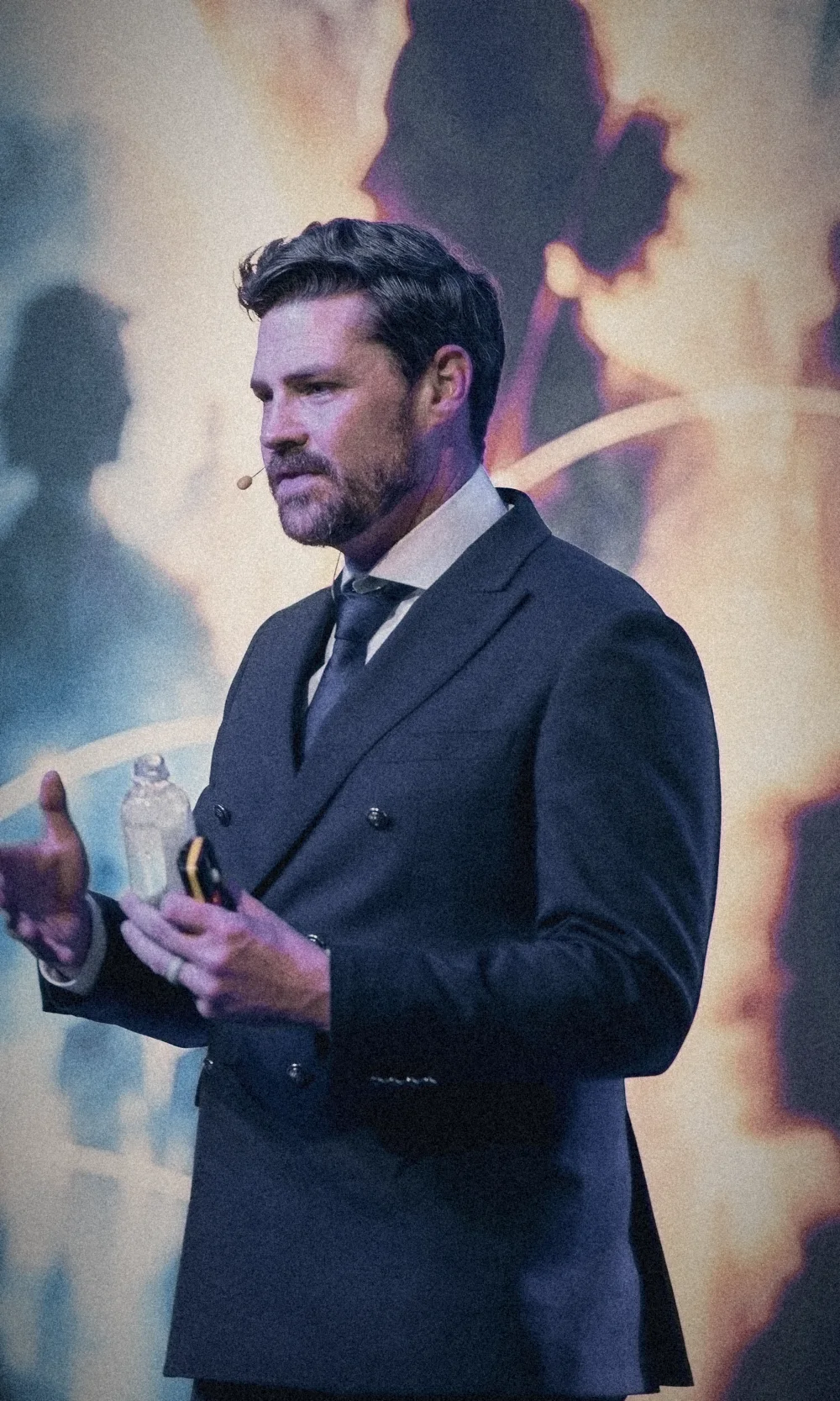
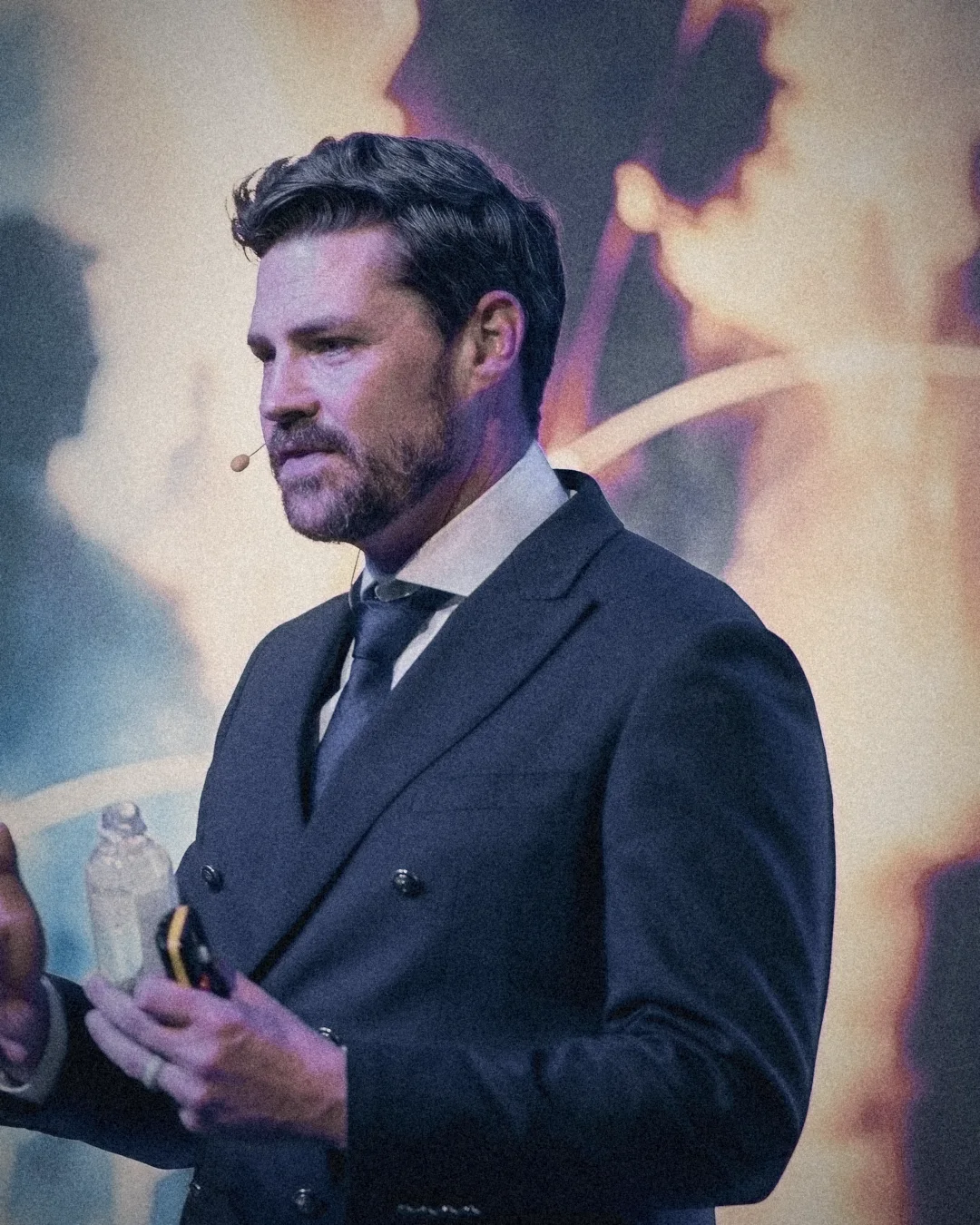
Erik’s keynote captivated our audience so completely that we invited him to create and lead a tailored leadership program for our organization. The transformation was so profound that we eagerly brought him back to repeat the experience the following year.
PepsiCo
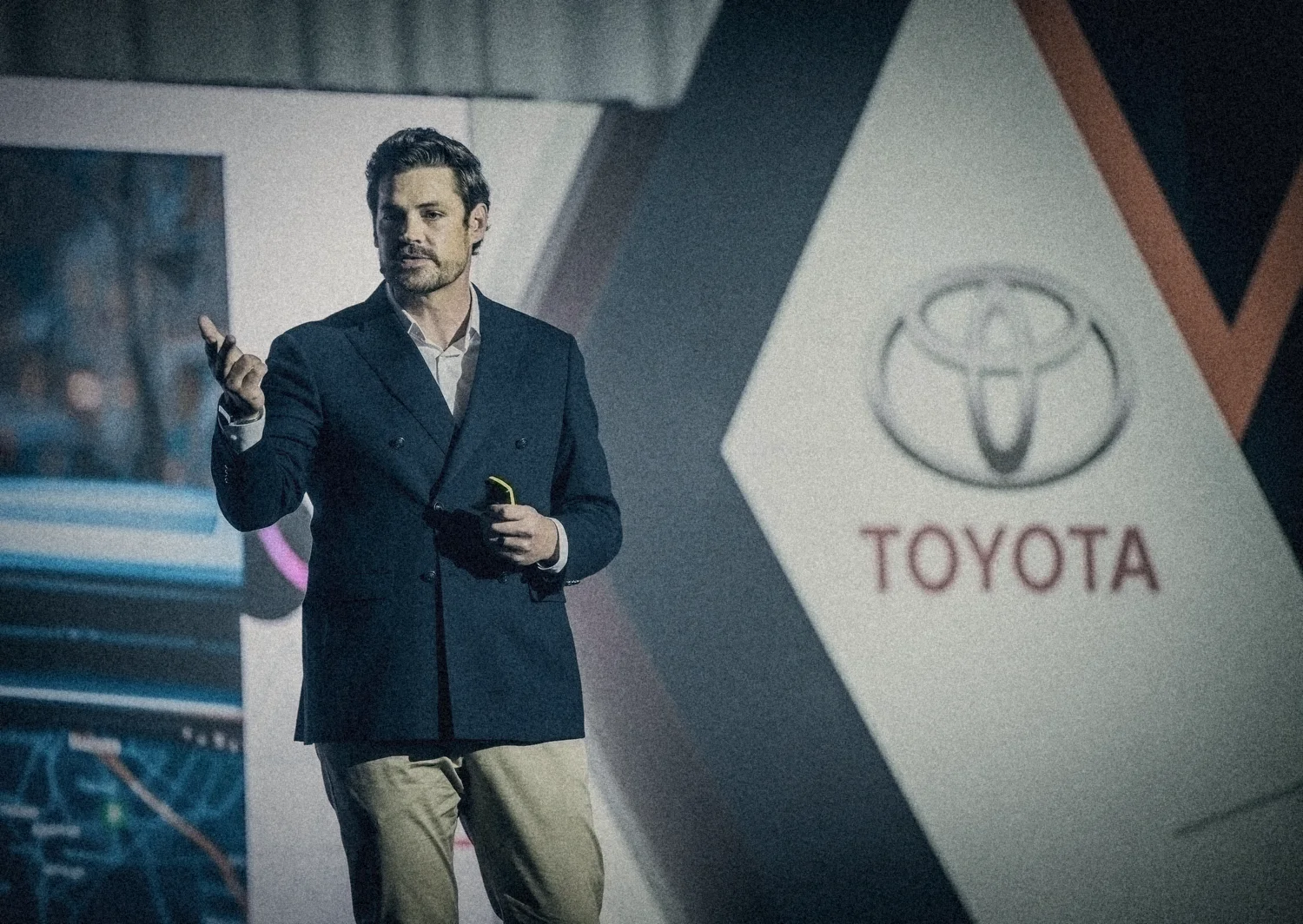
“Our client loved Erik so much that he has been invited back to the conference again. His talk sparked meaningful conversations, challenged conventional thinking, and left the audience with tools they could immediately apply. A true standout on any stage.”
Toyota, Leadership Conference
Start with a conversation
Tell me about your team and what's changing.
We’ll work out whether a keynote, a journey or both is the right place to start.